
Assisted living communities use substantial amounts of energy, water, food, cleaning supplies, and disposable materials. Eco-friendly practices aim to reduce waste and operating demands while protecting resident comfort, health, dignity, and safety.
For residents and families in Mount Carmel, PA, the most useful question is not whether a community uses a particular “green” label. It is whether environmental practices are practical, well managed, and compatible with the needs of older adults.
What does eco-friendly assisted living actually mean?
Eco-friendly assisted living means managing buildings, services, and daily routines in ways that reduce unnecessary environmental impact. This can include energy-efficient equipment, careful water use, responsible purchasing, recycling, food-waste reduction, and safer cleaning practices.
Sustainability should support resident care rather than interfere with it. For example, a community should not reduce heating during cold weather, limit necessary laundry, or reuse supplies that must be sterile or disposable. Pennsylvania assisted living residences must continue meeting requirements related to health, safety, emergency preparedness, nutrition, sanitation, and resident services.
A responsible environmental program balances several goals:
- Lower energy and water waste
- Maintain safe indoor temperatures and air quality
- Protect infection control standards
- Preserve reliable lighting, elevators, communication systems, and medical equipment
- Reduce unnecessary spending without reducing care
- Include residents in reasonable environmental decisions
How can an assisted living building save energy?
Heating and cooling usually account for a large share of energy use in senior living buildings. Efficient practices may include improved insulation, sealed windows, programmable controls, efficient boilers or heat pumps, LED lighting, and regular maintenance of heating and cooling systems.
These improvements are especially relevant in Mount Carmel, where buildings must manage cold winters, changing shoulder-season temperatures, and occasional summer heat. A well-maintained building envelope can reduce drafts in winter and overheating in warmer months without relying only on thermostat changes.
Lighting upgrades can also make a noticeable difference. LED fixtures use less electricity and generally last longer than older bulbs. However, lighting design matters for older adults. Hallways, entrances, bathrooms, stairways, and activity areas need enough even illumination to reduce glare, shadows, and fall risks.
Energy conservation can also involve everyday operations:
- Turning off equipment that is not needed
- Maintaining refrigerator and freezer seals
- Scheduling laundry and kitchen equipment efficiently
- Using occupancy sensors in suitable areas
- Tracking monthly energy use to identify unusual increases
- Keeping filters, vents, and mechanical equipment clean
A lower utility bill alone does not prove that a community is environmentally responsible. Families should also consider whether residents remain comfortable and whether emergency systems continue to operate during outages.
Are renewable energy systems useful in assisted living?
Solar panels, battery storage, and other renewable energy systems may help some communities reduce reliance on conventional electricity. Their usefulness depends on the building’s roof, electrical system, shading, finances, maintenance plan, and local utility conditions.
Renewable energy should be viewed as one part of a broader plan. A poorly insulated building may waste energy even if it has solar panels. Efficiency improvements often need to come first because they reduce the amount of energy the building requires.
Backup power remains a separate concern. Assisted living residences need emergency plans that address utility outages and resident needs. Renewable systems should not be treated as a substitute for a dependable emergency power strategy unless the system is specifically designed and tested for that purpose.
How do greener communities reduce water waste?
Water-saving fixtures can reduce waste without making daily routines difficult. Examples include low-flow faucets, efficient shower fixtures, leak detection, high-efficiency toilets, and properly maintained laundry equipment.
Water conservation must account for accessibility. Faucets should be easy to operate, showers should provide safe temperature control, and bathrooms should remain practical for residents with limited strength, balance, or dexterity.
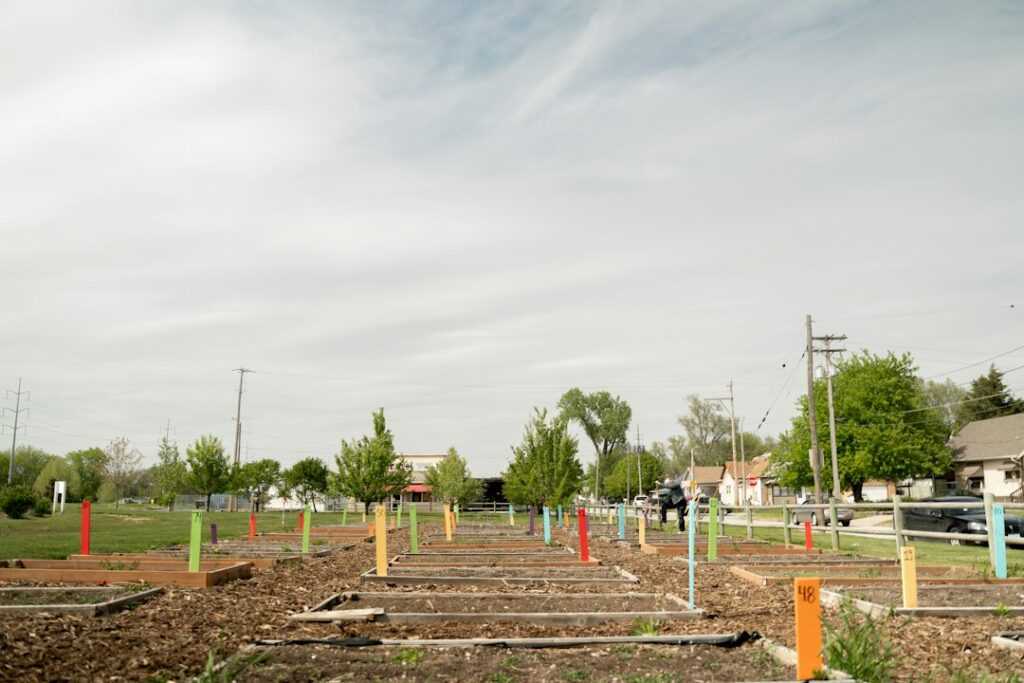
Landscaping can also affect water use. Native or well-adapted plants, rain gardens, mulching, and careful irrigation may reduce the need for frequent watering. Outdoor areas should still provide safe walking surfaces, seating, shade, and clear visibility.
A small leak can waste a surprising amount of water over time. Routine checks of toilets, faucets, laundry rooms, kitchens, and mechanical spaces are more useful than relying on residents or staff to notice problems after damage occurs.
What happens to food and other waste?
Food service creates opportunities to reduce waste through accurate meal planning, appropriate portion sizes, safe storage, donation policies where allowed, and composting or food-scrap programs. These practices must follow food safety requirements and should never result in serving food that is unsafe or unsuitable.
Some communities also track which meals are frequently left uneaten. That information can help kitchens adjust menus, textures, portion sizes, or serving times while respecting resident preferences and nutritional needs.
Other waste-reduction practices may include:
- Purchasing commonly used items in efficient quantities
- Choosing durable furnishings and repairable equipment
- Recycling accepted materials according to local rules
- Reducing unnecessary paper through secure electronic records
- Using refillable dispensers where sanitation requirements allow
- Separating hazardous, medical, pharmaceutical, and ordinary waste correctly

Not everything that looks recyclable belongs in a recycling container. Gloves, contaminated materials, sharps, medications, and certain chemical containers require specialized handling. Environmental programs must be clear enough that staff can separate waste correctly without creating health risks.
Are environmentally friendly cleaning products safer?
Some lower-toxicity cleaning products may reduce harsh chemical exposure and indoor odors. Good ventilation, correct dilution, secure storage, and staff training are just as important as the product selected.
“Natural” does not automatically mean safe. Some substances can irritate the lungs, trigger allergies, damage surfaces, or react dangerously when mixed. Cleaning products must be chosen and used according to infection-control needs, manufacturer directions, and facility policy.
Residents may reasonably ask whether a community:
- Uses fragrance-free options in sensitive areas
- Stores chemicals away from resident access
- Prevents mixing incompatible products
- Ventilates rooms during cleaning
- Has a written cleaning and decontamination schedule
- Separates routine cleaning from disinfection procedures
The goal is a clean, sanitary environment with as little unnecessary chemical exposure as possible.
How can residents participate in sustainability?
Residents can contribute through gardening, recycling education, reusable mealware where appropriate, energy-awareness activities, and discussions about food preferences. Participation should always be voluntary and adapted to individual abilities.
A resident council or activity program might help identify practical improvements, such as better recycling signs, more comfortable outdoor spaces, reduced paper handouts, or ways to reuse craft materials safely.
Families can also ask specific questions when evaluating an assisted living residence:
- How are energy, water, and waste use monitored?
- What happens during winter power outages?
- Are resident rooms kept at comfortable temperatures?
- How are recycling and hazardous materials handled?
- Does the dining program track food waste?
- Are environmental changes reviewed for fall prevention, infection control, and accessibility?
The strongest programs can explain both their environmental goals and their limits. They recognize that a sustainable community is not simply one with solar panels or recycling bins. It is a residence that uses resources carefully while maintaining dependable care, healthy indoor conditions, emergency readiness, and respect for the people who live there.
