

What Is Medical Care Coordination in Assisted Living?
Medical care coordination in assisted living refers to the organized collaboration among residents, caregivers, medical professionals, and family members to support each person’s health needs. This process ensures residents receive timely access to medical services, medications, and follow-up care. In Mount Carmel, PA, as in other communities, successful coordination brings peace of mind for residents and their families, especially when managing multiple health conditions.
In practical terms, this means making sure medical information is shared securely, doctor visits are scheduled when needed, medications are given correctly, and residents’ changing health needs are identified early.
Who Is Involved in Coordinating Medical Care?
The core team typically includes the resident, personal caregivers, nursing staff, a primary medical provider, and often family members. Each group plays a different role:
- Residents voice their needs, symptoms, and preferences.
- Family members can advocate for loved ones and communicate changes.
- Staff nurses help monitor health, manage medications, and provide updates.
- Primary care providers guide treatment plans, address concerns, and issue medical orders.
In Mount Carmel, the strong ties among local medical offices, pharmacies, and the assisted living community itself can help streamline communication, especially given the smaller population and close-knit setting.
How Are Medical Appointments Managed?
Medical appointments are often arranged with input from both healthcare staff and family members. Assisted living staff typically help:
- Coordinate with local doctors’ offices and schedule transportation when needed, which can be especially important in the region's winter months, when travel may be disrupted.
- Keep track of upcoming appointments and remind residents.
- Communicate updates between the medical office and the resident’s support network.
For routine checkups or urgent appointments, a staff member may provide an escort or ensure the resident brings the appropriate documentation and insurance cards.
How Is Information Shared Safely?
Protecting residents’ privacy while ensuring information flows smoothly is a common concern. In assisted living, medical records, medication lists, and care instructions are stored in secure systems, accessible only to those directly involved in care. Information sharing is typically handled by:
- Written care plans updated after each significant change
- Secure electronic records (where available)
- Direct communication with authorized family members or health proxies
Area households often find peace of mind knowing that privacy laws, like HIPAA, apply in assisted living just as they do in hospitals and doctor’s offices.
What Happens When Health Needs Change Suddenly?
If a resident’s health changes—such as a fall, a sudden illness, or new symptoms—assisted living staff can quickly notify the appropriate medical provider and family contact. Depending on the severity, this may involve:
- On-site assessment by nursing staff
- Arranging urgent transport to a medical facility, especially when local hospitals are a short drive away
- Adjusting care routines or medications as directed by physicians
Quick response and effective communication are essential, especially during local events like snowstorms, when emergency access routes in Mount Carmel may be affected.
How Are Medications Managed and Coordinated?
Medication management is a central aspect of coordinated care. Staff members track prescriptions, make sure doses are given at the right times, and monitor for side effects or missed doses. Common local practices include:
- Keeping an updated list of all current medications for each resident
- Notifying providers when prescriptions need refills or changes
- Coordinating with regional pharmacies to manage timely deliveries, paying particular attention during times when travel or delivery may be slowed by weather
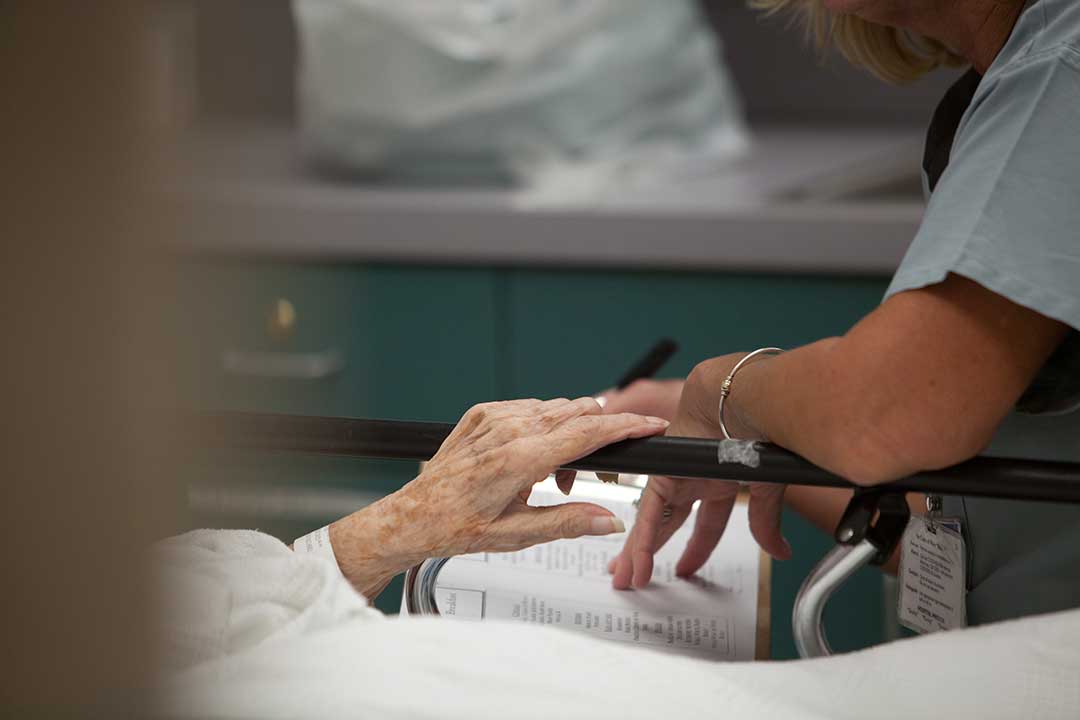
Residents and their families can ask for regular medication reviews to prevent duplication and check for potential interactions.
What Questions Should Residents or Families Ask?
Those living in assisted communities, or supporting someone who does, often have questions about how care is managed. Some practical topics to discuss include:
- Who will coordinate appointments and communicate with my doctor?
- How quickly will I be informed if my health status changes?
- What is the process for updating my care plan?
- How is information about my health kept private?
- What supports are in place if there is a medical emergency during severe weather?
By asking these questions, local residents and their families can better understand daily care practices and advocate for personalization as needs evolve.
Common Misconceptions About Care Coordination
There are a few misunderstandings that often come up:
- Misconception: “Staff in assisted living make all the healthcare decisions.”
*In truth, residents (and families) are involved, and major decisions require their input and consent unless an emergency prevents it.*
- Misconception: “Medical care stops when entering assisted living.”
*Residents keep their primary care providers, and in fact, connecting care between home and assisted living is a key goal.*
- Misconception: “Care coordination is only needed for those with serious illnesses.”
*Even those with only minor or routine needs benefit from organized appointment scheduling, medication tracking, and communication with families.*
Local Considerations for Mount Carmel Households
Life in Mount Carmel means considering regional factors like changing seasons, access to nearby medical offices, and the benefits of strong neighborhood connections. Reliable coordination is especially vital during busy flu season, icy weather, or when mobility outside the facility is challenging. Area caregivers are often familiar with local transportation options, pharmacies, and emergency routes, which can support smoother transitions if a resident’s health suddenly changes.
Above all, care coordination in assisted living is designed to keep residents feeling secure, at home, and as independent as possible—while ensuring critical health needs never fall through the cracks.
