

What Are Seasonal Activities and Why Are They Valuable for Residents?
Seasonal activities are events, crafts, and experiences that align with the time of year, local weather, and traditions. For residents in assisted living, these activities offer a sense of connection to community, rhythm, and nature. In Mount Carmel, PA, seasonal changes are pronounced, which means routines can be adjusted to maximize comfort and enjoyment. Residents often find that marking the seasons with different activities boosts mood, combats boredom, and builds community connections.
How Can Residents Safely Enjoy Outdoor Activities in Each Season?
Residents in the area experience four distinct seasons, each with unique opportunities and safety considerations.
- Spring: Mild temperatures and blossoming plants make this a popular time to stroll in landscaped courtyards or to help plant flowers in raised garden beds. Fresh air and sunlight gently introduce movement after winter.
- Summer: Early morning or evening walks avoid peak heat. Sun hats, hydrating drinks, and light clothing are essential. Watering patio plants or relaxing in shaded sitting areas is common when summer is at its warmest.
- Autumn: Activities such as outdoor leaf observation or gentle raking contests become possible as trees change colors. Short, daytime outings are preferable as daylight hours shrink and temperatures cool.
- Winter: Safe outdoor enjoyment involves bundled clothing and watching for icy paths, but observing snow from sunrooms or engaging in gentle snowman-making, when conditions permit, helps residents stay engaged with the outdoors.
Staff and family can support by ensuring walking surfaces are clear and monitoring for weather changes that might affect safety. It’s also common to transition activities indoors when conditions outside make this necessary.
What Indoor Seasonal Activities Work Well for Residents?
Indoor activities reflect the energy of the season without relying on outdoor weather.
- Spring and Summer: Arranging flower vases, spring-themed arts and crafts, or cooling treats like fruit-tasting are popular options.
- Autumn: Leaf rubbings with colored pencils, pumpkin painting, and seasonal baking projects bring the feel of fall inside.
- Winter: Hot cocoa socials, knitting circles, and making seasonal decorations—such as snowflakes or holiday ornaments—offer warmth and shared experiences.
Seasonal indoor activities help mark the passage of time and provide a sense of anticipation, even on days spent entirely indoors.
Are There Local Traditions or Holidays That Residents Can Celebrate?
The city and surrounding areas observe annual holidays and traditional festivities. Residents often enjoy:
- Memorial Day and Veterans Day observances
- Autumn harvest-themed gatherings or craft fairs
- December holiday decorating and themed music socials
Care providers or residents’ councils can help organize safe, inclusive group celebrations that reflect both regional tradition and the diverse backgrounds of residents themselves. Incorporating local flavors—for example, Pennsylvania Dutch desserts—can also add a meaningful and personal touch.
How Can Activities Be Adapted for Residents With Mobility or Cognitive Challenges?
Many seasonal activities can be modified so everyone feels included. Some adjustments include:
- Using tabletop gardening kits for those with limited mobility during spring planting
- Setting up crafts and decorations at accessible heights
- Scheduling activities in smaller, quieter groups for those with memory or sensory needs
- Providing visual cues (like large, colorful instructions) and tactile experiences (fabric pumpkins, textured leaves)
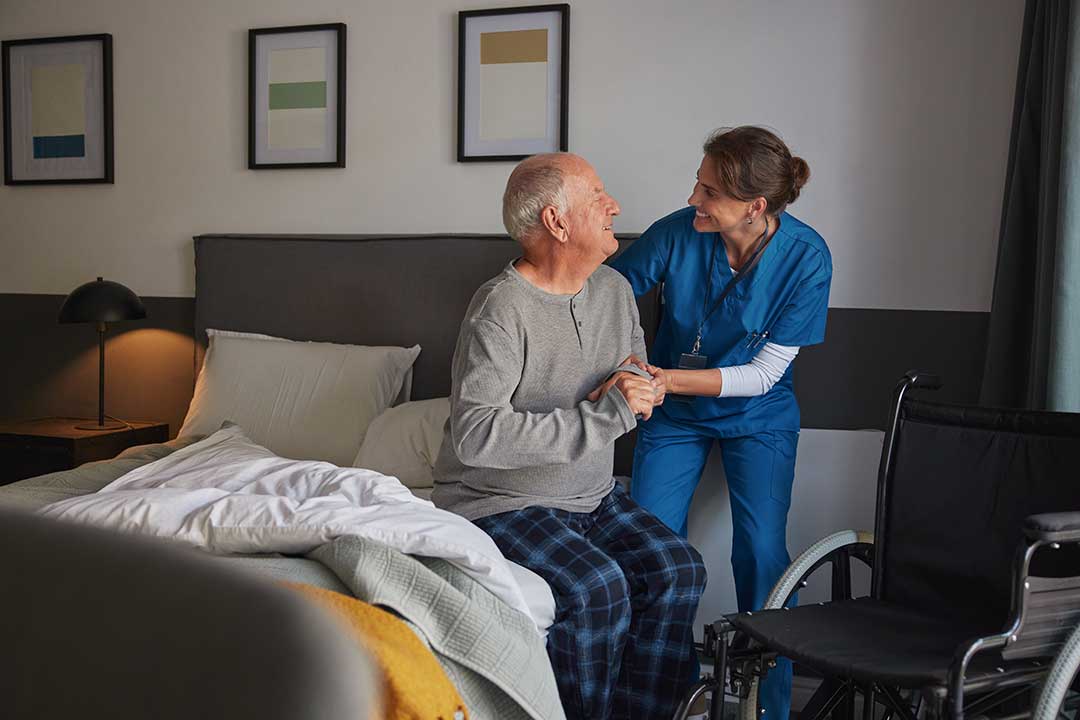
Staff and family can help by observing residents’ preferences and responding to their comfort levels for participation.
How Does Seasonal Weather Affect Activity Planning in Mount Carmel?
Winter brings colder temperatures, occasional snow, and shorter days, while summer can see high humidity and storms. In response, residents frequently spend more time indoors—especially in winter—so activities may become cozier or emphasize light and warmth.
During transitional seasons, fluctuating weather is common. Flexible planning is key so that scheduled outings or gatherings can shift indoors at short notice if the weather turns. Residents often appreciate having “rainy day” or indoor alternatives ready, such as board games, storytelling, or music appreciation sessions.
What are Some Overlooked but Enjoyable Seasonal Activities?
Some activities get less attention but offer satisfying variety:
- Observing wildlife (birdwatching in spring and fall from common room windows)
- Ice cream socials on cooler summer evenings
- Nature-inspired storytelling or poetry readings
- Creating memory boxes themed with items from each season
- Listening to local radio broadcasts of regional events or music associated with particular holidays
These alternatives provide ways to engage, reminisce, and connect with others over shared experiences.
How Helpful Are Group versus Individual Activities?
Group activities—like communal dinners, group craft sessions, or themed movie nights—build social connection, but individual options are equally valuable. Some residents may prefer solo activities such as journaling, listening to seasonal music, or working on personal art projects that reflect the time of year.
Balancing group and individual activities supports community health and personal autonomy. Staff can encourage residents to try new activities while respecting personal preferences.
