

How Does Assisted Living Care for Couples When Their Needs Differ?
Assisted living communities in Mount Carmel, PA are structured to support couples who have different levels of independence or health needs. While some older adults worry that choosing assisted living might mean separation if one spouse requires more care than the other, local facilities often offer flexible approaches to keep couples together whenever possible.
The underlying principle is to provide each person with the assistance they need while allowing them to remain partners in daily life. Staff work with couples and their families to find a balance between independence, safety, and companionship.
Is it Possible for Couples to Share a Living Space If One Partner Needs More Help?
Yes, many assisted living communities provide options for couples to share an apartment or suite, even if one person needs more help with daily activities. The couple is assessed individually, and services are tailored so each spouse receives an appropriate level of care. In Mount Carmel, larger apartments might accommodate two people comfortably, with modifications or equipment as needed for mobility or personal care.
For example, one spouse might benefit from medication reminders, bathing assistance, or mobility support, while the other enjoys a more independent routine. Caregivers adjust their support to meet each partner’s needs, reducing stress and minimizing unnecessary interventions for the more independent spouse.
How Are Services and Activities Structured for Couples With Disparate Abilities?
Communities recognize that couples often wish to continue sharing meals, hobbies, or social time, even if their physical or cognitive abilities differ. Activity coordinators organize events and programming accessible to varying levels:
- Group entertainment, art classes, or music sessions often include adaptations for those with mobility or memory impairments.
- Some couples choose to participate together in larger gatherings, while each spouse might also attend separate activities more suited to their interests or abilities.
- Shared dining spaces allow couples to eat together, but staff can offer mealtime assistance discretely to anyone who needs help.
This approach enables both partners to remain engaged and prevents either from feeling isolated or out of place. In Mount Carmel’s smaller, tight-knit communities, staff often know residents personally and can adapt activities as relationships and needs evolve.
What Happens If One Spouse’s Health Changes Significantly?
The flexibility of assisted living is especially valuable when one partner’s health status changes. If a spouse experiences a sudden illness or decline, the care plan can be updated without requiring immediate relocation to a different setting.
- Temporary increases in care—such as help with rehabilitation, fall prevention, or advanced medication management—can usually be arranged within the same apartment.
- If a resident ultimately needs long-term skilled nursing care or memory care not offered in the assisted living community, the couple and their family can make decisions about possible transitions.
Local staff can provide guidance about nearby medical resources, transportation, and support groups, helping couples stay connected during periods of change. In seasonal climates like Mount Carmel, safety planning for winter mobility or heat-related illness may also shape these conversations.
Are There Emotional Benefits for Couples Staying Together in Assisted Living?
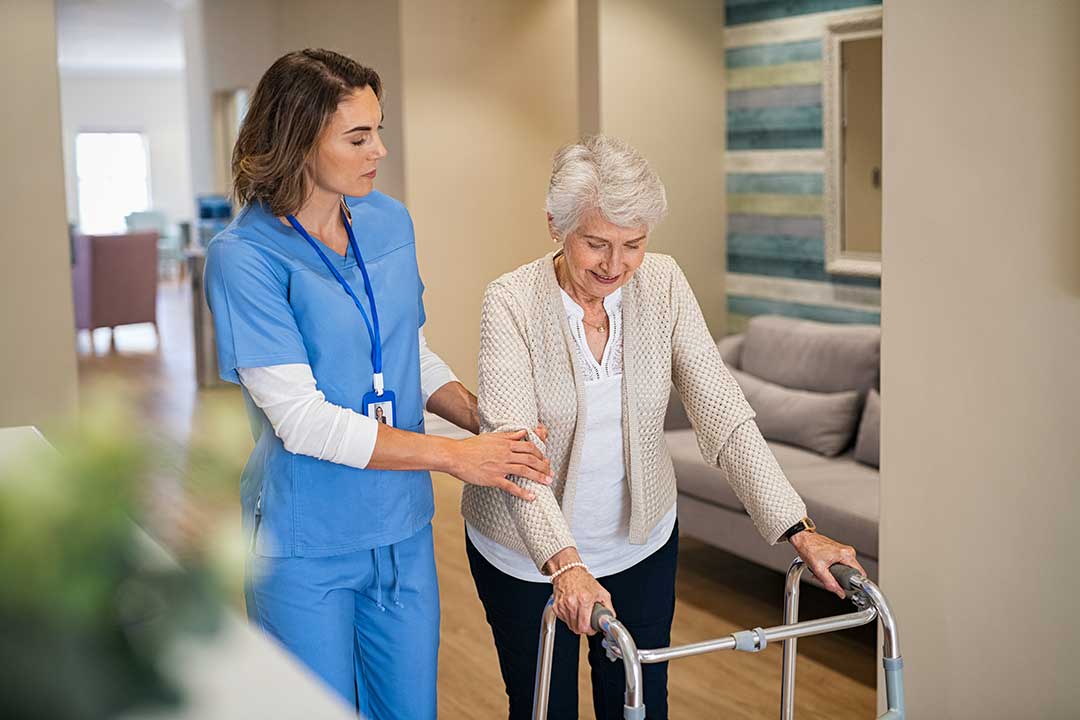
Couples who remain together in assisted living frequently report less anxiety, greater optimism, and improved mental well-being compared to being separated by different care settings. The familiarity of having a spouse present offers comfort, helps with memory or orientation for those with cognitive changes, and reduces the likelihood of loneliness.
In close-knit communities, couples often become part of the social fabric—supporting each other and making new friends together. Staff are attuned to emotional as well as physical needs, helping couples adjust to both the normal stresses of aging and the unique circumstances of their partnership.
Are There Limitations to What Assisted Living Can Provide for Couples With Different Needs?
While assisted living offers notable flexibility, couples should be aware that there are practical and regulatory boundaries:
- If one person requires intensive nursing care, mechanical ventilators, or advanced medical equipment, a higher level of care may be necessary.
- In cases where behavioral symptoms of dementia create significant risk or distress, some communities may recommend a dedicated memory care setting, though this is approached sensitively and only when other solutions have been exhausted.
- Couples may occasionally need to reevaluate living arrangements if the support needed by one spouse exceeds what staff are permitted to provide under state regulations.
Families in Mount Carmel typically work closely with staff, physicians, and local agencies to navigate these transitions, always aiming to preserve dignity, autonomy, and relationship continuity whenever possible.
What Are Common Misunderstandings About Couples and Assisted Living?
A common misconception in the community is that entering assisted living means couples must live separately if care needs are not identical. In reality, most communities make significant efforts to accommodate couples as a unit, blending individualized care into a shared living environment.
Another misunderstanding is that assisted living is too rigid for evolving needs. In truth, services and care levels can be adjusted, sometimes quite quickly, to respond to short-term illness, injury, or rehabilitation. Also, assisted living is broader than medical care—it includes companionship, enrichment, and support for daily routines, which benefit couples as well as individuals.
Area households facing questions about assisted living and couples with different health needs often find that flexibility and community are built into the local system. Understanding these realities can help families make informed, confident decisions suited to both partners’ well-being.
