
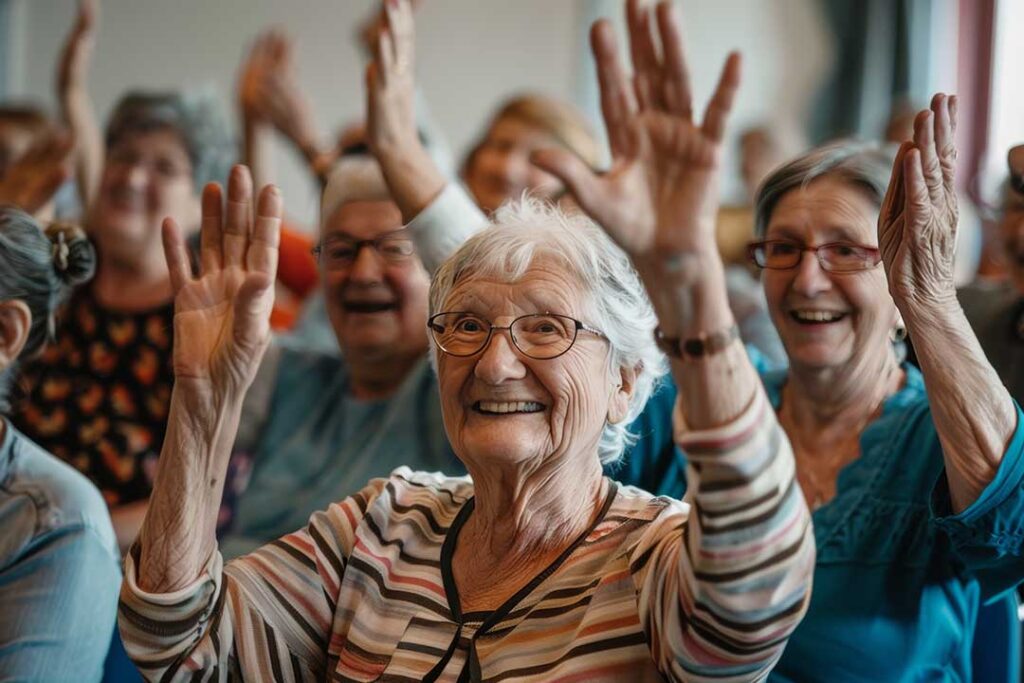
Why games and pastimes matter in assisted living
Games and pastimes give residents regular opportunities for enjoyment, conversation, movement, and mental stimulation. The most successful activities are not necessarily complicated or competitive; they are familiar, adaptable, and suited to each person’s interests and abilities.
In assisted living, activities can also help create daily structure. A resident may look forward to a morning word game, an afternoon card table, or a quiet evening with music and a puzzle. These routines can make shared living feel more comfortable, especially for someone adjusting to a new setting.
For residents and families in Mount Carmel, PA, seasonal conditions may also shape activity choices. Cold weather, snow, and shorter winter days can make indoor recreation especially valuable, while warmer months may allow for supervised outdoor games, gardening, or time on a patio.
What are the most popular games in assisted living?
The most popular games are usually easy to understand, familiar across generations, and flexible enough for different skill levels. Residents often enjoy:
- Bingo with large-print cards and clearly spoken numbers
- Card games such as bridge, pinochle, rummy, or solitaire
- Checkers, chess, and other board games
- Word searches, crossword puzzles, and trivia
- Dominoes and matching games
- Simple dice games
- Jigsaw puzzles with larger pieces
- Conversation-based games about music, history, or local memories
Bingo is common because it can be played while seated, requires limited setup, and allows residents to participate at their own pace. Card games can be particularly meaningful because many older adults already know the rules and may associate them with family gatherings.
Trivia does not need to focus on difficult facts. Questions about popular songs, household traditions, local history, seasonal customs, or familiar foods may encourage conversation without making residents feel tested.
Which activities work well for residents with memory loss?
Residents living with memory loss may enjoy activities that rely on recognition, repetition, and sensory experience rather than complex instructions. Familiar music, sorting tasks, picture cards, simple matching games, and short rounds of a well-known game can be more comfortable than activities with many rules.
Helpful adjustments include:
- Using large-print materials and high-contrast colors
- Explaining one step at a time
- Keeping sessions short and predictable
- Allowing residents to watch before joining
- Avoiding correction or public criticism
- Offering familiar objects, photographs, or songs as conversation starters
A person with memory loss may not remember the name of a game but may still enjoy shuffling cards, placing pieces, listening to music, or talking with others. Participation does not have to mean completing the activity exactly as designed.
It is also helpful to avoid treating every resident with memory loss the same way. Some may prefer quiet individual activities, while others may enjoy social interaction and gentle competition.
Are quiet pastimes as valuable as group games?
Yes. Quiet activities can be just as meaningful as group games, particularly for residents who are introverted, easily fatigued, hard of hearing, or uncomfortable in crowded settings.
Popular individual pastimes may include reading, coloring, knitting, crocheting, model building, journaling, drawing, listening to music, or working on a personal collection. Large-print books, audiobooks, magnifying tools, and easy-grip pens can make these activities more accessible.
A quiet activity can also provide a break after meals, exercise, therapy, or a busy social event. Residents should not feel pressured to attend every group program. Personal choice is an important part of dignity and independence.
How can activities be adapted for arthritis, vision changes, or limited mobility?
Most games can be modified with the right materials and pace. Residents with arthritis may benefit from oversized cards, lightweight game pieces, card holders, larger puzzle pieces, or dice that are easier to grip. Residents with vision changes may need bright lighting, bold lettering, high-contrast surfaces, and materials placed within easy viewing distance.
For residents with limited mobility, activities can be arranged around a comfortable table or completed from a wheelchair or supportive chair. The goal is to make participation physically manageable without drawing unnecessary attention to a person’s limitations.
Fatigue should also be considered. A resident may enjoy an activity in the morning but not have the energy for it later in the day. Shorter sessions, rest breaks, and the option to leave early can help preserve enjoyment.
What pastimes encourage movement without feeling like exercise?
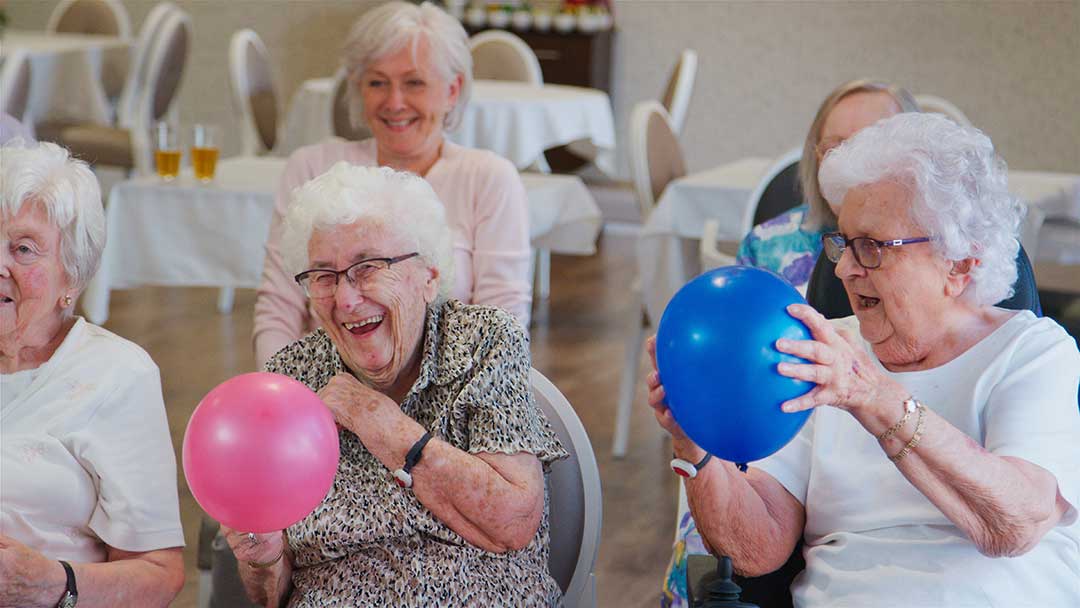
Movement-based recreation can support balance, coordination, flexibility, and mood while remaining enjoyable. Examples include seated balloon volleyball, gentle beanbag toss, ring toss, balloon tapping, rhythm activities, and simple stretching paired with music.
Outdoor activities may include container gardening, observing birds, walking short supervised routes, or playing a low-impact lawn game when weather and surfaces are suitable. In a community with icy winter conditions, outdoor activities require careful attention to walkways, footwear, visibility, and temperature.
Movement should never become a test of athletic ability. Residents can participate by tossing one beanbag, moving to music from a chair, or helping keep score. Small amounts of participation still provide social and sensory benefits.
How can families support hobbies after a move to assisted living?
Families can help by sharing information about a resident’s past interests, favorite music, long-standing card games, hobbies, and meaningful routines. A short list of preferences may be more useful than a general statement such as “enjoys activities.”
Personal items can also make familiar pastimes easier to continue. Examples include photographs, knitting supplies, a favorite type of puzzle, a deck of cards, or a notebook for writing memories. Items should be labeled when appropriate and selected with attention to safety and storage space.
Family members can participate during visits by playing a short game, looking through photographs, listening to music, or working on a puzzle together. These activities often provide conversation naturally, without requiring a formal interview.
What if a resident does not want to join activities?
Declining an activity is not necessarily a sign of depression, confusion, or disinterest. The resident may be tired, unfamiliar with the group, worried about making mistakes, or simply prefer a different type of recreation.
A gentle invitation is usually more effective than pressure. Offering two choices—such as cards or music—can make participation feel manageable. Some residents may first feel comfortable sitting nearby, helping organize materials, or watching a game before joining.
Activity preferences can change over time. A person who declines a group game today may enjoy it next week, especially if the setting, participants, or time of day is different.
How should assisted living activities be judged?
A successful activity is not measured only by whether someone wins or finishes a project. Useful signs include enjoyment, conversation, concentration, personal choice, and a sense of belonging.
The best programs offer variety: social games, creative work, movement, quiet hobbies, seasonal activities, and opportunities for residents to share skills. In Mount Carmel, the most practical approach may include a balance of indoor activities during colder months and carefully planned outdoor options when conditions are comfortable.
Games and pastimes are most meaningful when they respect the resident as an individual. Familiarity, flexibility, and the freedom to participate in different ways often matter more than the activity itself.
